
Loading...
Serving Madison, CT and surrounding areas. (475) 522-8016
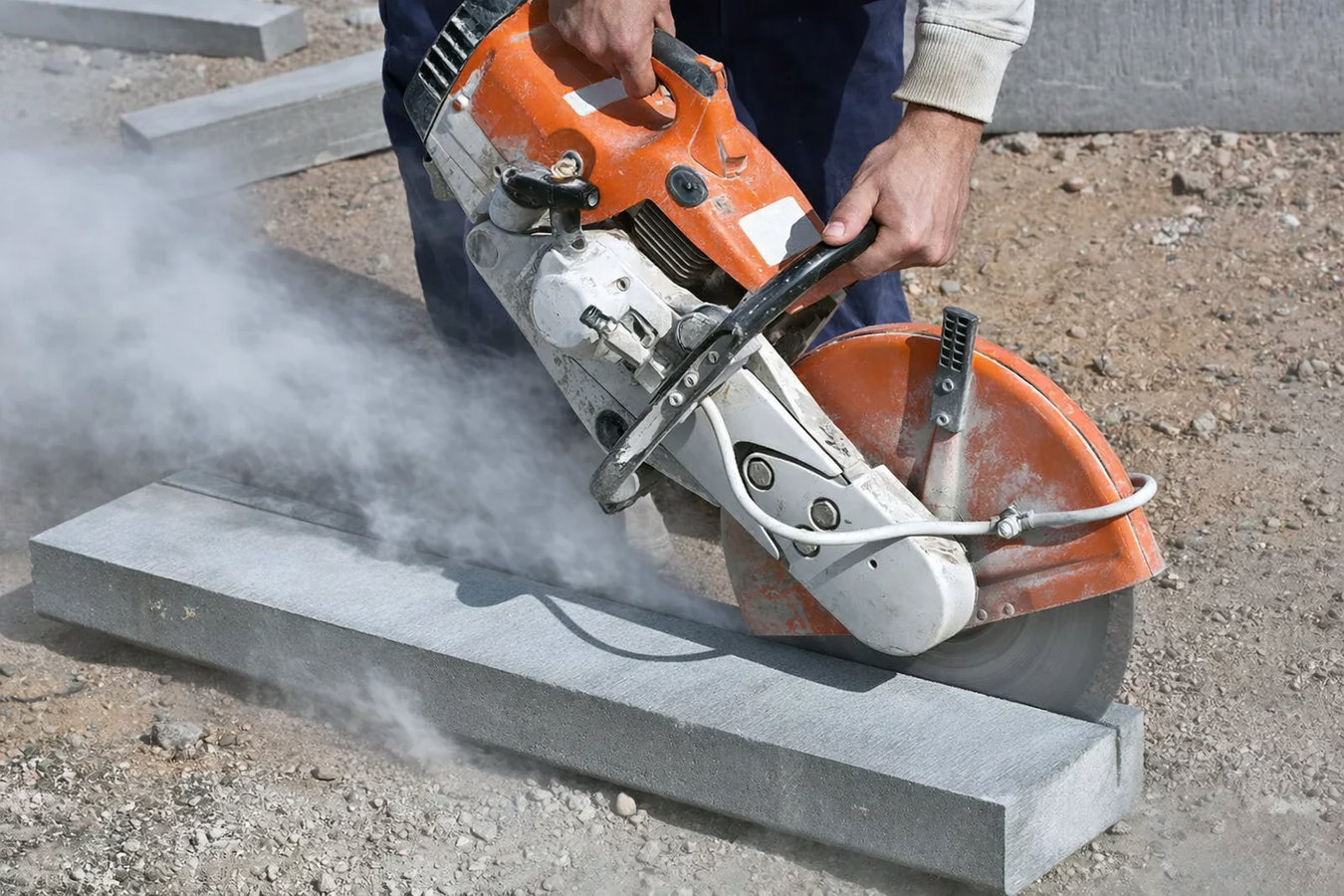
A jackhammer leaves a mess. A diamond-blade saw leaves a clean, straight edge you can build off. Whether you need a cracked driveway section removed, a basement floor opened for plumbing, or a damaged panel cut out before a new pour, we make precise cuts and handle everything from permits to cleanup.
Concrete cutting in Madison, CT uses diamond-tipped saws to slice through hardened concrete cleanly and precisely - creating straight openings for drains, utility lines, or section removal, or preparing a damaged area for a clean replacement pour - most straightforward residential jobs take a few hours to a full day on-site.
Madison homeowners run into concrete cutting jobs more often than they expect. The town's freeze-thaw cycles crack and heave concrete every winter, and by the time a driveway section has gone through several winters of that treatment, patching is no longer a viable solution - the damaged panel needs to come out cleanly. At the same time, older Madison homes built in the mid-20th century often have slabs that need to be opened for updated plumbing or drainage work that was never part of the original construction.
When a cutting job is the first step in a larger replacement, our concrete driveway building and concrete floor installation crews handle the pour that follows. We coordinate the sequence so the job does not sit open between trades.
If a crack in your driveway or patio was a hairline last spring and is now wide enough to fit a finger into, Madison's freeze-thaw cycle is the cause. Water enters the crack, freezes, expands, and forces it open a little more each time. Once a crack reaches that stage, patching it with filler will not hold - the damaged section needs to be cut out and replaced.
If one panel of your driveway or walkway sits lower than the ones next to it, or if you feel a bump or drop underfoot, the slab has moved. This is common in Madison's sandier coastal soils, where the ground beneath a slab can shift or wash out over time. Cutting out the sunken section is usually the first step before any repair or replacement can happen.
If you are planning to add a floor drain, run new plumbing, or finish a basement bathroom, the contractor needs to cut through your concrete floor to access the pipes below. This is not a sign of damage - it is a planned opening. But it does require a contractor who can make a precise, clean cut rather than breaking the floor up with a jackhammer.
If water collects against your house after heavy rain rather than draining away from it, your concrete may be sloped the wrong direction or have a low spot trapping water. This is a real concern in Madison's wet coastal climate. Cutting and re-grading the affected section is often the most effective long-term fix and avoids ongoing basement moisture problems.
We cut concrete for Madison homeowners across a range of project types: removing cracked or sunken driveway panels, opening basement floors for plumbing or drainage, cutting expansion joints, preparing foundation slabs for structural modifications, and isolating damaged sections before a new pour. Every job starts with an on-site assessment - we look at slab thickness, check for rebar, confirm equipment access, and price the job accurately before a saw touches your property. Debris removal and cleanup are included unless noted otherwise in the written quote.
For projects where the concrete cutting is the first step before a new pour, our concrete driveway building service picks up after removal. If the cutting involves opening a floor to access the structure below, our concrete floor installation team handles the replacement pour once the utility or drainage work is complete.
Best suited for driveways, walkways, patios, and other horizontal slabs where section removal or panel replacement is the goal.
Precise openings in basement or garage floors for drains, plumbing access, or structural work - with full dust containment for indoor jobs.
Madison sits on the Connecticut shoreline, where temperatures regularly drop below freezing in winter and climb back above it in early spring. That repeated freeze-thaw cycle forces water in and out of tiny cracks in concrete, widening them season after season. By the time most Madison homeowners call a concrete contractor, the damage has been building for years - and cutting out the affected sections cleanly is often the only real fix. A patch job over a structurally compromised panel will fail within a season or two; a clean cut followed by a properly poured replacement lasts. Homeowners in nearby Guilford and Branford face the same conditions and are part of our service area.
Madison's older housing stock adds a second layer of demand. Many homes in the area were built between the 1950s and 1970s, and their driveways, garage floors, and basement slabs were poured to standards thinner than what is used today. Thinner slabs are more prone to cracking but also faster and less expensive to cut - which means repair is often more accessible than homeowners expect. Madison's coastal soils, particularly in neighborhoods near the Sound and the East River corridor, can also shift under slabs, creating sunken or tilted panels that need cutting before they can be addressed. We assess the soil as part of every site visit so the full picture is understood before work begins.
You reach out and describe what you are trying to accomplish - roughly how large the area is, whether it is indoors or outdoors, and approximately when your home was built. This first conversation helps us decide whether we need to see the site before giving you a price. We respond within one business day.
We visit your property, look at slab thickness, check for signs of rebar, assess equipment access, and measure the scope of the cut. You receive a written quote within a day or two. We tell you upfront whether debris removal is included - some contractors charge extra for this, and you deserve to know before you commit.
If your project requires a permit from the Town of Madison - common when cutting involves plumbing, drainage, or structural changes - we handle the application. This can add a week or two to the timeline before work begins, so we ask about this early and factor it into the schedule. A reputable contractor tells you upfront if a permit is needed.
The crew sets up, wets down the work area, and makes the cuts as planned. Most residential cuts take a few hours. The saw is loud and you may smell concrete dust even with containment in place. Once done, the crew breaks up and removes the cut sections, cleans up, and walks you through what was done and what comes next.
We visit your property, assess the slab, and give you a written quote that covers everything - no surprises on the final bill.
(475) 522-8016A clean concrete cut has straight edges, consistent depth, and no cracking along the cut line. We use diamond-tipped blades suited to the slab type and thickness of your specific job. If your slab has rebar inside it - common in Madison homes built since the 1970s - we assess that before quoting so there are no surprises on the day of the cut.
A significant number of Madison homes were built in the mid-20th century, and their concrete slabs are often thinner than what is poured today. Thinner slabs cut faster and cost less, but they can also be more brittle at the edges. We ask about your home's age and assess the slab during the site visit - so the quote reflects what your slab actually requires, not a generic assumption.
Concrete cutting produces fine dust that travels if the work area is not properly sealed. For indoor work, we hang plastic sheeting, use wet cutting, and run vacuum systems throughout the job. The Concrete Sawing and Drilling Association sets industry standards for dust control - and those standards exist because crystalline silica dust is a genuine health concern, especially for indoor cuts.
When your project requires a permit from Madison's Building Department, we handle the application and coordinate any required inspection. We also tell you clearly what the next step is after the cut - whether that is a plumber, a concrete pour crew, or a separate appointment for debris removal. Projects stall when no one is managing the sequence; we make sure that does not happen on your job.
Concrete cutting looks straightforward until a contractor uses the wrong blade, skips the dust containment, or hands you a bill that is twice the quote because of rebar they claim to have discovered after the fact. We have built our process around avoiding all of that - with an honest site visit, a written quote, proper equipment, and a team that coordinates what comes after the cut.
The Concrete Sawing and Drilling Association sets industry standards for concrete cutting contractors, including safety and dust control practices. For indoor cuts, OSHA's crystalline silica standards govern how dust must be controlled to protect workers and occupants. Connecticut contractor registration can be verified at eLicense Connecticut.
When the cut section needs a full new driveway pour to match or replace what was removed.
Learn MorePouring a new interior or exterior slab after a cut section has been removed and the ground prepared.
Learn MoreThe outdoor work window in Madison is shorter than most homeowners expect - scheduling now means your driveway, slab, or basement floor is fixed before winter makes the damage worse. Call us or get a free estimate online.