
Loading...
Serving Madison, CT and surrounding areas. (475) 522-8016
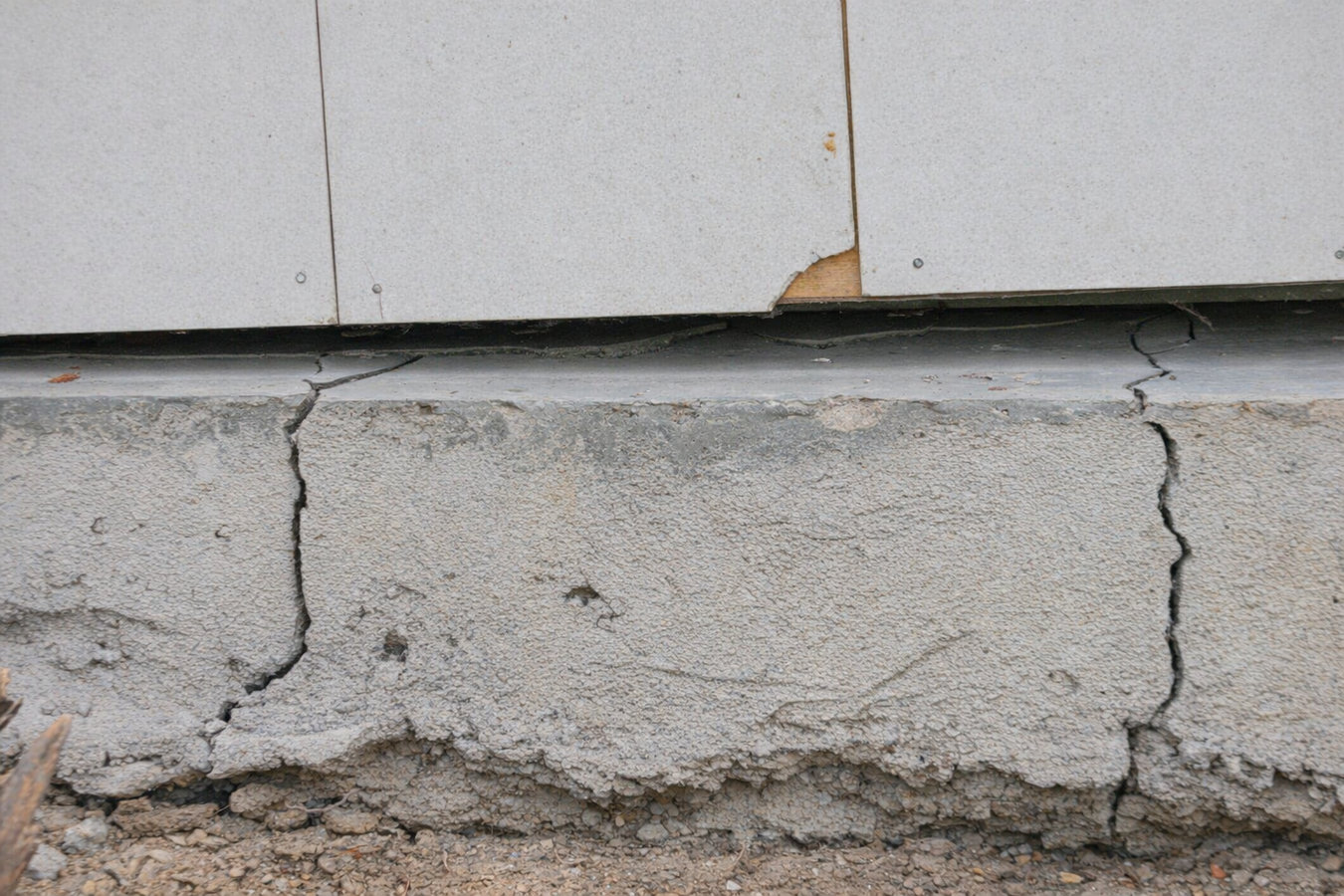
A sinking foundation does not fix itself. Madison winters push slabs further out of position every year. We assess the cause, pull the permit, and lift sunken concrete back to level - without tearing out your yard or replacing the whole slab.
Foundation raising in Madison, CT is the process of injecting material beneath a sunken concrete slab to fill voids and push it back to level position, restoring a safe and even surface without full demolition - most residential jobs wrap up in a single day, and you can walk on the repaired surface the same afternoon.
Madison homeowners deal with foundation settlement more than people in many other parts of Connecticut. The town sits in USDA Hardiness Zone 7a and experiences dozens of freeze-thaw cycles each winter - the ground freezes at night, thaws during the day, and that repeated motion gradually works slabs out of position. Add in the coastal proximity to Long Island Sound and the older housing stock in many Madison neighborhoods, and settlement is a common, predictable problem rather than a rare one.
If the slab has shifted to the point where drainage around your home has also been affected, correcting that drainage at the same time as the lift is important. And when a project requires more than just lifting - for example, if a section is badly deteriorated and needs to be cut out before anything else can happen - our concrete cutting service handles that step first. For projects that start from below grade entirely, see our concrete footings work.
When a foundation shifts, door frames and window frames can move slightly out of square. If a door that used to swing freely now drags, or a window that opened easily now sticks, the structure below has likely moved. This is especially common in Madison homes after a hard winter of freeze-thaw activity.
Diagonal cracks running from the corners of door frames, or horizontal cracks along a basement wall, are signs that the structure has moved. Cracks wider than a quarter-inch, or cracks that have grown since you last noticed them, deserve a professional assessment. In Madison's older neighborhoods, these often appear in homes built on fill soil decades ago.
If your garage floor, front walkway, or patio has a noticeable slope that was not there before, the soil beneath it has likely shifted. Place a level on the surface - if the bubble is well off-center, the slab has moved. This kind of visible tilt is one of the clearest indicators that lifting may be needed.
If rainwater collects against your home's foundation rather than draining away, it is actively eroding the soil underneath. Madison's wet springs and coastal moisture make this a common problem - it is both a sign that settling may have already occurred and a warning that more is coming. Puddles that linger more than a day after rain within a few feet of your home's base are worth acting on.
We assess, permit, and lift sunken concrete slabs for Madison homeowners - garage floors, front walkways, patio slabs, basement areas, and foundation perimeter slabs. Every job starts with an honest on-site assessment that looks at both the visible problem and its likely cause. We use two lifting methods depending on what your slab and soil conditions require: traditional slurry injection, which pumps a cement-and-soil mix beneath the slab, and foam injection, which uses expanding polyurethane foam through smaller holes. We explain both options and which one suits your situation before any work is scheduled.
After the lift, we patch the drilled holes, clean up the work area, and walk you through drainage and grading adjustments that will protect the repair long-term. If your project involves a deteriorated section that first needs to be removed, our concrete cutting team handles that cleanly before the lifting work begins. For properties where the foundation problem traces back to inadequate original footings, we can assess whether new concrete footings are the right long-term solution.
The traditional method, well-suited for larger slabs and deeper voids where the added weight of the grout mix provides lasting stability.
A newer approach using expanding polyurethane foam through smaller holes - faster curing time and lighter overall load on the soil beneath the slab.
Madison's winters are hard on concrete. The town experiences dozens of freeze-thaw cycles between December and early spring, where the ground repeatedly freezes at night and thaws during the day. That expansion and contraction gradually dislodges slabs from their original position - and once a slab starts to move, each new winter gives it more opportunity to settle further. For Madison homeowners, this is not a freak occurrence - it is a predictable consequence of living in Zone 7a on the Connecticut shoreline, and addressing it before the next freeze-thaw season arrives is genuinely worthwhile. Homeowners in Guilford and Clinton face the same seasonal conditions and are part of our regular service area.
The coastal setting adds another layer of risk. Madison sits directly on Long Island Sound, and many neighborhoods - particularly those near tidal wetlands, the East River corridor, and shoreline areas around Hammonasset - sit on soils with higher moisture content. Wet, saturated soil is less stable than dry soil and more prone to washing away under a slab. Homes near the water need both a competent lift and a serious look at drainage - because lifting a slab without redirecting the water source that caused the problem will produce the same result within a few years. We assess both when we visit your property.
You call or fill out a form, and we set a time to come look at the problem. You do not need to prepare anything for this visit - just show us what you have noticed. We respond within one business day of first contact.
We walk the affected area, look at both the visible symptoms and the likely cause, and give you a written estimate. We will tell you honestly if the problem is something other than a lifting job - for example, if the slab needs to be replaced rather than raised.
For work that involves the structural foundation of your home, we apply for a building permit through the Town of Madison Building Department before work begins. This step typically adds a few days to a week to the timeline, but it means the job is on record and inspected. We handle all the paperwork.
The crew drills small holes through the slab, injects the lifting material beneath it, and monitors the slab as it rises back into position. Most residential jobs are finished in a few hours. Drill holes are patched before the crew leaves, and you can walk on the surface the same day.
Free estimate. We come to your property, assess the slab, and give you a straight answer - no obligation, no sales pitch.
(475) 522-8016We look at why the slab sank before we lift it. A trustworthy contractor assesses the cause first - whether it is drainage, soil erosion, or freeze-thaw damage. Lifting a slab without addressing the underlying problem just means the slab sinks again. We give you an honest answer before any work is scheduled.
Many Madison neighborhoods sit on soils with higher moisture content due to proximity to tidal wetlands, the East River corridor, and Long Island Sound. We assess drainage patterns around your home - not just the slab - because lifting without correcting the water source is a short-term fix. We have worked on shoreline properties throughout Madison.
We apply for the required building permit through the Town of Madison Building Department and coordinate any required inspection. When the job is done, you have a fully permitted record showing the work was reviewed and approved - documentation that matters when you sell your home. Contractors who suggest skipping the permit are creating a liability for you.
Our estimate covers the full scope: assessment, permit, injection, patching, and cleanup. If your slab turns out to require more material than expected, that gets discussed before work starts - not after. The National Foundation Repair Association sets industry standards for ethical repair practices, and our process aligns with those guidelines.
Foundation raising in Madison is not a job where cutting corners pays off. Every one of those proof points - honest diagnosis, coastal soil knowledge, permitted work, and clear pricing - exists because Madison homeowners have seen what happens when a contractor skips one of them. We have built our process around getting all four right, every time.
For authoritative guidance on foundation repair standards, the National Foundation Repair Association publishes best-practice guidelines used by contractors across the country. Connecticut permit requirements are managed by the Connecticut Office of State Building Inspector. You can verify a contractor's state registration at eLicense Connecticut.
When a sunken or damaged section needs to be cut out cleanly before lifting or replacement work can begin.
Learn MoreNew footing installation for decks, additions, and outbuildings where the existing base has failed and needs to be rebuilt from below.
Learn MoreMadison contractors fill up fast in spring and fall - locking in your date now means the work gets done before the next freeze-thaw season does more damage. Call us or request a free estimate online.