
Loading...
Serving Madison, CT and surrounding areas. (475) 522-8016
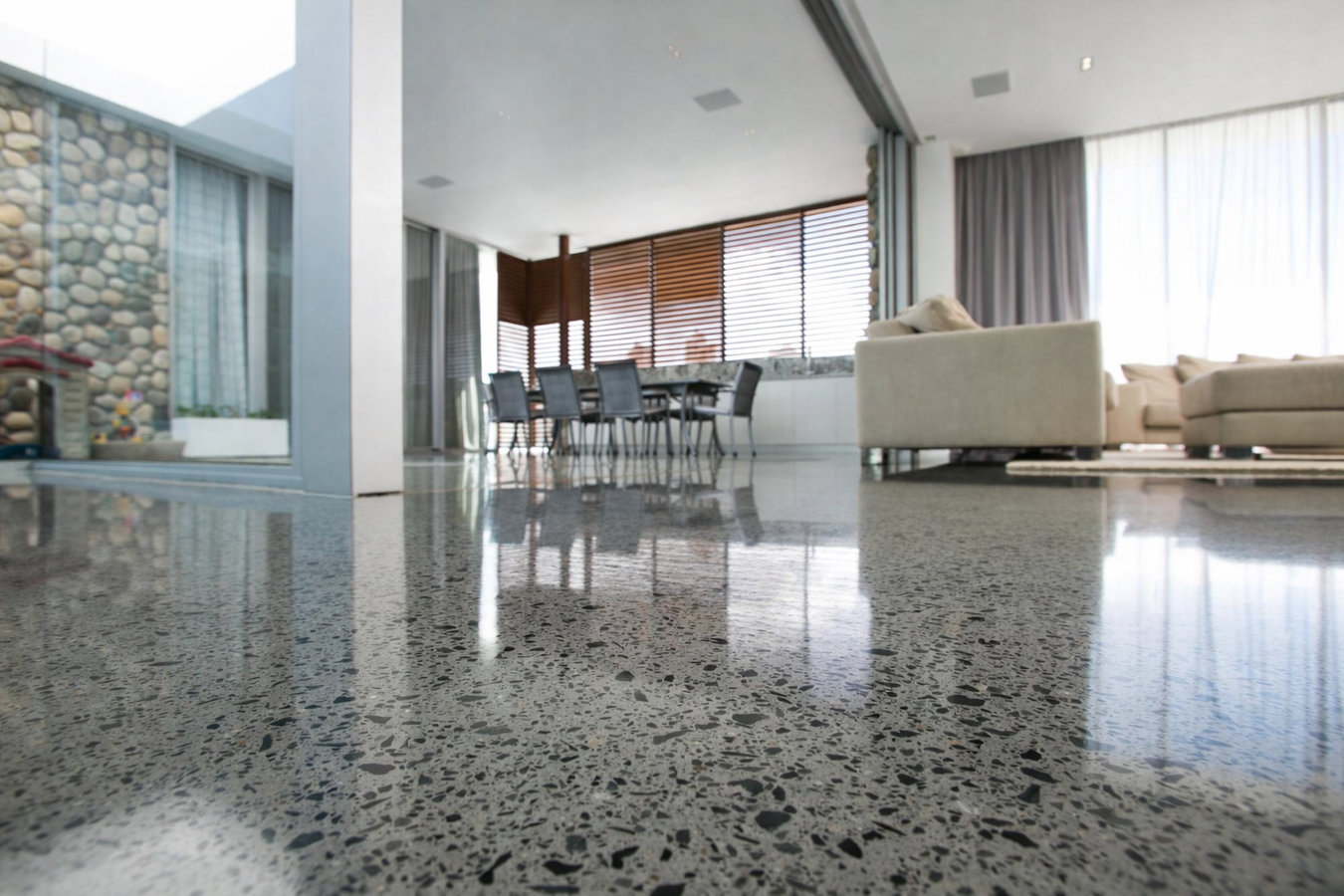
Cracked, flaking, or uneven garage or basement floor? We pour concrete floors in Madison assessed from the subgrade up, with permits handled and a finish built for Connecticut winters.
Concrete floor installation in Madison, CT starts with removing old material, compacting the subgrade, and laying a gravel base before the concrete is poured and finished - most standard garage or basement floors take one day of active work and are ready for light foot traffic within 24 to 48 hours, with full vehicle use after about a week.
Madison homeowners often come to us when a garage floor has been cracking for years, when a basement is being converted into finished living space, or when an older slab has started to flake and pool water after rain. Many Madison homes were built in the mid-20th century, and the original slabs in those properties often have settled, thinned, or developed drainage issues that make a new pour the smarter long-term choice over repeated patching. A properly installed floor - assessed from the ground up, reinforced, and cut with control joints - should need very little attention for decades.
If you are also planning to update your garage surface specifically, our garage floor concrete service covers coating options and vehicle-load thickness considerations in more detail.
Small hairline cracks are common in older concrete, but cracks wide enough to catch a coin or running in long diagonal lines suggest the slab has shifted or settled. In Madison's older housing stock, this often happens when the soil beneath the slab has moved over decades. If the cracks are growing or the floor feels uneven underfoot, patching is no longer enough.
If your floor looks like it is shedding a thin layer of grit or has small craters forming, the top layer has been damaged - often by years of freeze-thaw cycles or road salt tracked in from Madison's winter streets. This surface deterioration will keep getting worse and does not respond to patching. A new pour or resurfacing is usually the right fix.
If you notice standing water on your basement or garage floor after a heavy rain, or if the floor feels damp without an obvious source, the existing slab may have drainage or moisture problems. Madison's coastal proximity means groundwater levels can rise quickly during storms. A new floor installation can include drainage improvements the original slab never had.
Set a ball on your garage or basement floor and watch where it rolls. A floor that tilts noticeably has likely settled unevenly - a common issue in Madison homes built on fill or near the shoreline. Uneven floors cause problems beyond aesthetics: doors stick, water drains toward the wrong spots, and finished flooring installed on top will buckle or gap.
We install concrete floors for garages, basements, utility rooms, and other residential spaces throughout Madison. Every project starts with an honest assessment of what is already there - whether the old slab needs to be broken out, whether the soil has shifted and needs recompaction, and whether drainage improvements should be made before anything is poured. We discuss finish options during the site visit, from a simple broom texture for a garage to a smoother finish for a basement being converted to living space.
For pool-area surfaces that require similar base preparation and drainage attention, concrete pool decks follow the same approach. And for customers who want a specialized garage surface with coating options or heavy-load thickness, garage floor concrete goes into more detail on those specific choices.
Best for homeowners with cracked, flaking, or uneven garage slabs that have reached the end of their useful life.
Suited to finishing a basement, correcting an uneven slab, or adding drainage improvements before putting in finished flooring above.
For new rooms, workshops, or attached storage spaces being added to an existing home where no floor yet exists.
Madison sits along the Connecticut shoreline and experiences cold winters with repeated freeze-thaw cycles that are hard on concrete floors - especially in unheated garages where the slab goes through the full temperature swing. Water seeps into tiny pores, freezes, expands, and slowly breaks the surface apart from the inside. A floor poured with the wrong mix or without adequate drainage consideration will start showing damage within a few winters. Madison also has a large share of homes built between the 1940s and 1970s, and many of those original garage and basement slabs have settled over decades - sometimes over sandy or fill soil that shifts more than the dense glacial till found further inland.
We work across the full Madison service area. Homeowners in Wallingford, CT and Branford, CT face similar conditions - older housing stock, freeze-thaw stress, and soil that needs careful assessment before any new pour. Call us and we will take a look at your space in person.
We ask a few basic questions about your space, size, and goals, then schedule a free on-site visit. We do not give estimates over the phone for floor work - the condition of what is already there matters too much to the final price.
We look at the existing floor or ground, check drainage, and assess whether old material needs to be removed first. You receive a written estimate that breaks down labor, materials, and any permit fees separately - not a single number with no detail.
For most new concrete floor pours in Madison, we apply for a building permit from the Town of Madison Building Department before work begins. Once approved, you get a start date. Clear the space completely and arrange alternative parking before the crew arrives.
The crew prepares the base, pours and finishes the concrete, and cuts control joints. You can walk lightly on the floor after 24 to 48 hours, but plan on a week before putting real weight on it. The town inspector signs off and we do a final walkthrough together before closing out the job.
We come to your property, assess what is actually there, and give you a written estimate with no obligation to move forward.
(475) 522-8016We work in Madison every week and know the local conditions - the coastal soil, the older housing stock, and the Town Building Department permit process. That local knowledge changes how we plan each floor project.
We handle the full permit process with the Madison Building Department on every applicable job. When the town inspector signs off, you have documentation confirming the work meets minimum standards - clean records for when you sell.
We assess what is beneath the existing floor before we pour anything new. Madison homes - especially those from the mid-20th century or near the shoreline - often have settled or unstable subgrades that need correction before a new slab will hold up.
Madison's freeze-thaw cycles are hard on concrete that was not built for them. We use mix designs appropriate for this climate so the floor does not start flaking or cracking after the first winter. You should not have to call someone back in three years.
The American Concrete Institute publishes the standards our crews follow for mix design, curing, and control joint placement - the details that separate a floor that lasts from one that starts failing after a few Connecticut winters. Add local knowledge of Madison's permit process and soil conditions, and you get a finished floor you will not have to think about for years.
Outdoor concrete surfaces around pools need the same level of base preparation and drainage thinking we bring to every floor installation.
Learn MoreGarage-specific floor work including coating options, surface texture for traction, and the heavier pour thickness vehicles require.
Learn MoreMadison's concrete season books up fast. Contact us now and we will lock in a time before the best slots are gone.