
Loading...
Serving Madison, CT and surrounding areas. (475) 522-8016
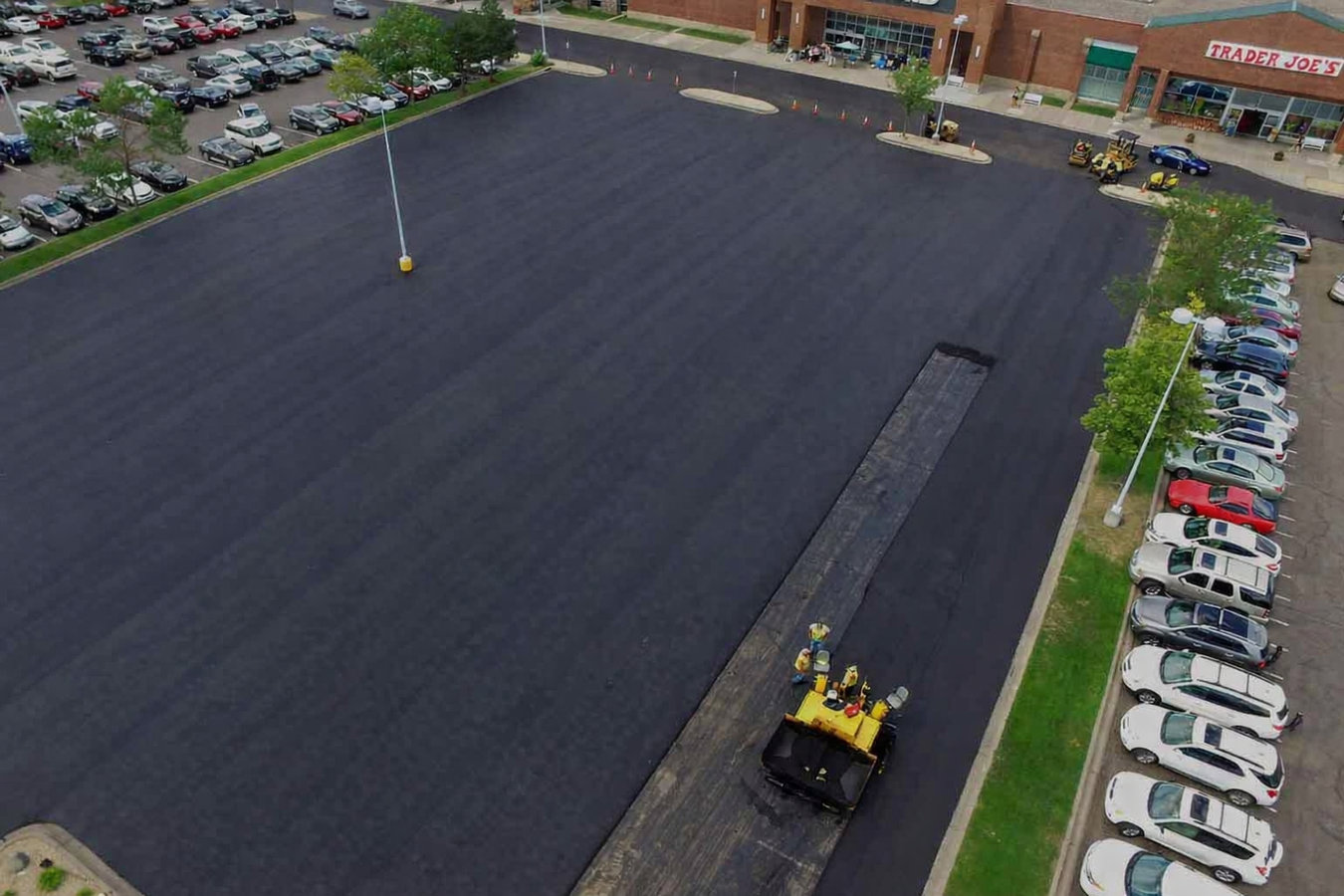
Gravel lot becoming a problem? Old asphalt crumbling every spring? We build concrete parking lots in Madison with proper base prep, drainage design, and permits - so you get a surface that survives Connecticut winters and drains correctly from day one.
Concrete parking lot building in Madison, CT means removing the existing surface, excavating to the correct depth, compacting a crushed-stone base, forming and pouring a slab with properly placed control joints, and designing the drainage slope so water moves off the surface and away from your building - most small commercial lots take three to five days of active work after permits are approved.
Many Madison property owners come to us after years of patching a failing asphalt or gravel surface. At some point the math changes - the cost of ongoing repairs adds up past the cost of doing it right once with concrete. Concrete also suits Madison's coastal climate better than asphalt in some respects: it does not soften in summer heat the way asphalt does, and a properly built concrete lot can last 30 or more years with minimal upkeep.
If you are also looking at a new access drive connecting to the lot, our concrete driveway building service covers residential and light commercial access drives using the same base preparation and freeze-thaw-resistant mix standards.
If you walk the lot in early spring and find chunks of surface material breaking off, large cracks that have widened since last year, or areas where the surface has flaked away, that is a sign the existing pavement has reached the end of its life. Madison's freeze-thaw winters are hard on older surfaces, and once deterioration reaches a certain point, patching is no longer cost-effective.
Standing water on a parking lot is not just an inconvenience - it is a sign that the surface is no longer draining properly. In Madison, where heavy rain events are common in spring and fall, poor drainage accelerates surface damage and creates slip hazards. If puddles take hours to disappear after a storm, the lot's slope or drainage has failed.
Small surface cracks are normal in concrete. But cracks that run all the way across the lot, or that have a noticeable vertical offset where one side is higher than the other, indicate that the base beneath the slab has shifted or failed. This kind of structural failure cannot be fixed with crack filler - the slab needs to come out and the base rebuilt properly.
Many older Madison properties still have gravel or packed-dirt parking areas that create mud, dust, and maintenance headaches. If you are spending money on gravel top-ups every year, or the surface becomes impassable after heavy rain, building a proper concrete lot is a permanent solution that eliminates the ongoing cost.
We build new concrete parking lots and replace failing surfaces for residential and small commercial properties across Madison and the surrounding area. Every project includes a free on-site estimate, permit coordination with Madison's building department, full base excavation and compaction, drainage slope design, concrete forming and finishing, and control joint placement. We do not skip the steps that are invisible once the job is done - the base and drainage design are what separate a lot that lasts from one that starts cracking after two winters.
For properties where the parking lot connects to a larger structure or foundation, our concrete footings service covers the below-grade structural work that ties into the lot's perimeter. And if the project involves an attached drive or access route, our concrete driveway building work can be scoped together with the lot for a single-contractor project.
For properties replacing gravel, dirt, or old asphalt with a permanent concrete surface from scratch.
For properties adding parking capacity to an existing paved area, matching the existing surface edge and drainage.
For lots where the existing slab or asphalt has structurally failed and needs to be removed and rebuilt from the base up.
Madison sits on the Connecticut shoreline and experiences hard winters with repeated freeze-thaw cycles - temperatures that drop well below freezing at night and climb above it during the day. This movement is what breaks concrete apart over time. A contractor working in Madison needs to use the right concrete mix for freeze-thaw exposure, time the pour to avoid cold-weather complications, and apply a curing compound after the pour to protect the surface while it hardens. Madison's coastal soil also varies - areas closer to the shoreline and tidal marshes can include sandy, loose, or poorly draining layers that require more base preparation than a typical inland site.
Connecticut's stormwater regulations are strict, and coastal towns like Madison face additional scrutiny because runoff flows toward Long Island Sound. Adding a new impervious surface - which is what a concrete parking lot is - can trigger stormwater management requirements. Homeowners in Guilford and Clinton face the same coastal stormwater conditions, and we work across all three towns. A contractor who builds your lot without addressing drainage and permits is setting you up for problems with both the surface and the town's building department.
We schedule a free on-site visit before giving you a price. The contractor needs to see the existing surface, assess the soil, check how water currently drains, and understand the layout. A contractor who quotes over the phone without seeing the site is guessing - and that guess usually goes wrong for one of you. Expect a response within one business day of reaching out.
Before any work begins, we apply for the necessary permits through Madison's building department. In Connecticut, work that adds a new impervious surface typically requires approval, and coastal towns like Madison may have additional stormwater review steps. This process can take one to three weeks, so it happens before the crew shows up, not after.
The crew removes whatever is currently on the site - old asphalt, gravel, grass, or soil - and digs down to the depth needed for a stable base. They then bring in and compact crushed stone to create a firm foundation. This step is not glamorous, but it is the most important part of the job - everything above it depends on how well this is done.
The crew sets forms, pours concrete, and finishes the surface. After the pour, a curing compound or cover is applied to protect the slab while it hardens - especially important in Madison's variable spring and fall weather. You will not be able to drive on the surface for at least seven days. Once the lot is ready, we walk it with you to confirm drainage is working and the surface meets your expectations.
We visit your site, assess the soil and drainage, and give you a written quote. No obligation, and we respond within one business day.
(475) 522-8016A parking lot that holds water is a failed parking lot. We design the slope and drainage path before a single form is set, so water moves off the surface and away from your building from day one. This is especially important in Madison, where coastal stormwater rules require runoff to be managed properly.
Madison's nearshore areas include pockets of sandy, loose, or poorly draining soil that can cause a slab to sink or crack if the base is not built to account for it. We assess site conditions during the estimate visit and tell you honestly what your ground requires - before you commit to anything.
Connecticut's stormwater rules and Madison's local zoning requirements exist for real reasons, and skipping the permit process is not a shortcut - it is a liability that follows the property. We handle the Madison building permit from application to approval so the work is on the books, inspected, and documented.
Madison winters put real stress on concrete. We use a mix appropriate for Connecticut's freeze-thaw climate, apply a curing compound after the pour, and do not rush the curing period. The American Concrete Institute's guidance on freeze-thaw durable concrete informs our mix selection - see resources at aci.org for reference.
The Portland Cement Association publishes guidance on parking lot construction best practices, including base preparation and drainage design - the same standards we follow on every Madison project. When the base is right and the drainage is designed from the start, a concrete lot pays for itself over time compared to a surface that needs patching every few years.
For structures attached to your lot that need proper below-frost-line footings before framing begins.
Learn MoreResidential driveway pours using the same base preparation and freeze-thaw-resistant concrete mix we use for commercial lots.
Learn MoreContractor schedules fill up fast once the Connecticut paving season opens - call now to lock in your start date before the spring rush.